IQP – Urban Waste Management: A Case Study of Lyon, France
I <3 trash
Back to all projects
Project Overview
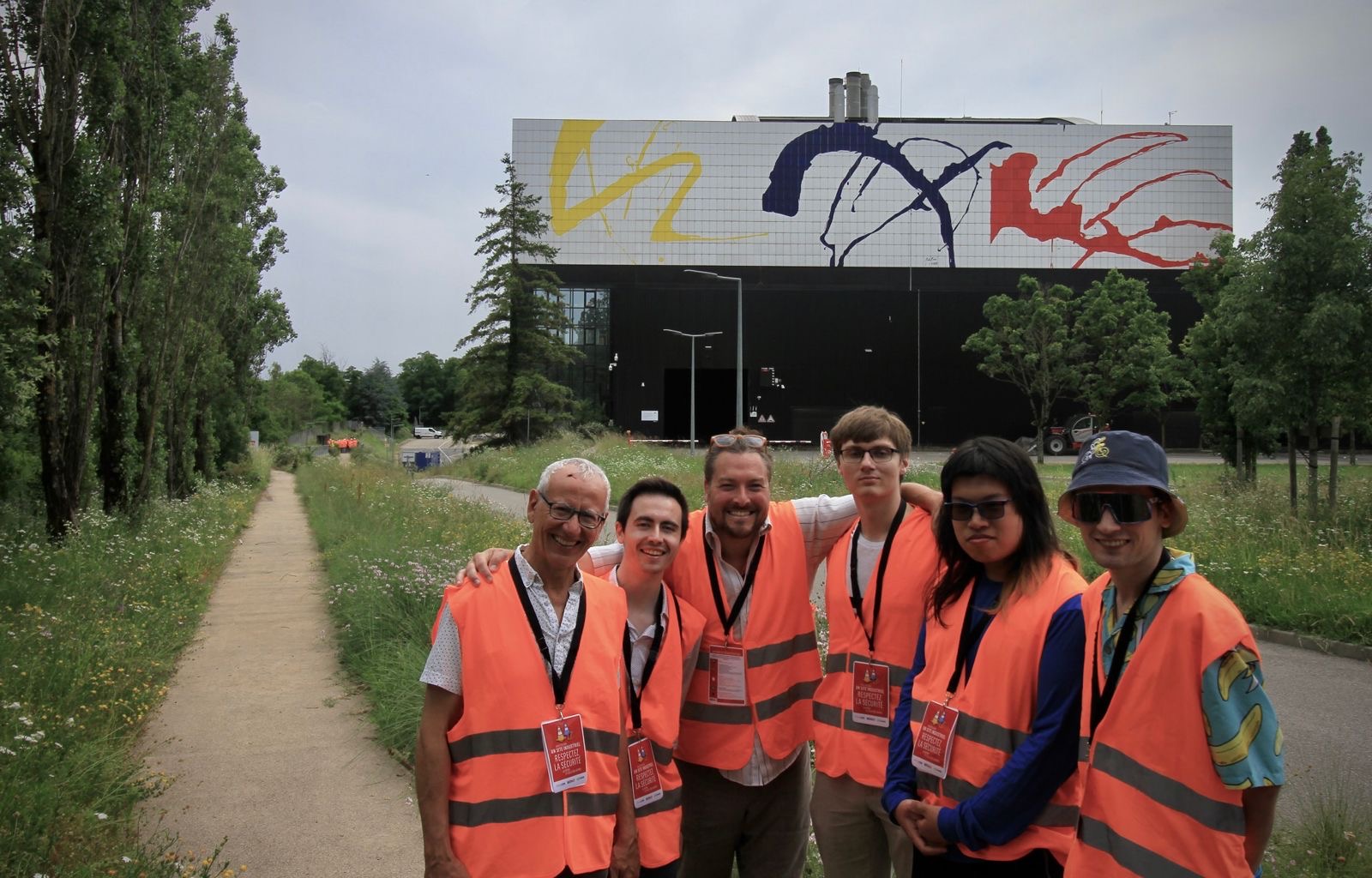
The Interactive Qualifying Project (IQP) is a unique degree requirement at WPI consisting of a prepatory course on research methods and an interdisciplinary project on an issue relating science, engineering, and technology to society. Our IQP took place at WPI's Global Projects Center in Lyon, France and consisted of performing a case study on the urban waste management system in Lyon. We began by conducting a literature review during the prepatory course covering general waste management techniques, policies, and objectives, which vary depending on the type of waste and urban context. Once in Lyon, we began exploring their existing system in more detail, conducting further literature review as well as site visits and expert interviews. We then synthesized our findings in a report detailing generally accepted best practices for urban waste management and assessing the performance and robustness of the existing system in Lyon. In general, our findings indicated that urban waste management in Lyon is suberb, and other municipalities can and should take inspiration from the Lyonnais system to improve their urban waste management systems. Further details about our findings and the project as a whole can be found at our project's website, clean-lyon.eu.
Personal Reflection
This project was an excellent academic and life experience and a perfect way to (functionally) cap off my undergraduate studies. As a quick note unrelated to the project, Lyon became my second-favorite city I've been to, and I could even see reason for it to dethrone Grenoble at number one.
Looking back, I am also quite proud of this project. We did good, interdisciplinary research; produced polished, comprehensive deliverables; and learned a lot about waste management. In particular, we had plenty of opportunity to speak with subject matter experts, be they professors in Urban Design or the people running waste treatment facilities. This project experience has since informed how I experience any city, as I am consistently thinking back to what we learned doing this research and evaluating how whatever city I am in is collecting its waste. Revisiting the website in particular really highlighted to me the fact that there isn't much of anything I regret about the work we did here. Perhaps that confidence comes down to my relative lack of expertise on the subject matter (I'm not working on an MSc in Urban Studies, after all), but I will stand by the work we did here.
While our communication with project sponsor Professor Drew Brodeur was limited, his direction in what communication we did have was clear and direct, and our group was not found wanting for greater understanding of what our objective with the project was. Furthermore, what our project lacked in sponsor communication was more than compensated by communication with our project supervisors and especially by our group's consistent meeting and communication. Our teamwork went incredibly smoothly, and I have nothing but positive things to say about the experience working with Conner, Casey, and Ming.
Typically, this project is done shortly before the MQP, and serves as an introduction to the rigor of academic research requried of the MQP. I had already completed my MQP and a History Research Fellowship by the time we began working on this project, but I see the value in any opportunity to participate in the academic research process, and this project was certainly no exception.
Another knock-on effect of this project is a new-found respect for translators. As the sole francophone in our group, it came down to me to conduct all French language communication on behalf of our group. While I already had plenty of respect for the people whose livelihood comes down to real-time translation, the experiences of trying to facilitate communication between my group and the subjects of expert interviews and site visits was much more stressful than the simple, direct communication to which I was accustomed.
Downloads
Written Report (PDF)
This report is also published in WPI's Digital Collection at this link and available on our project site here
Presentation (Link)
I no longer have access to the file for our slides from our final presentation; however, they are archived on our project site at this link